Expertise in Endoscopic Spine Surgery, Arthroscopy and Joint Replacement
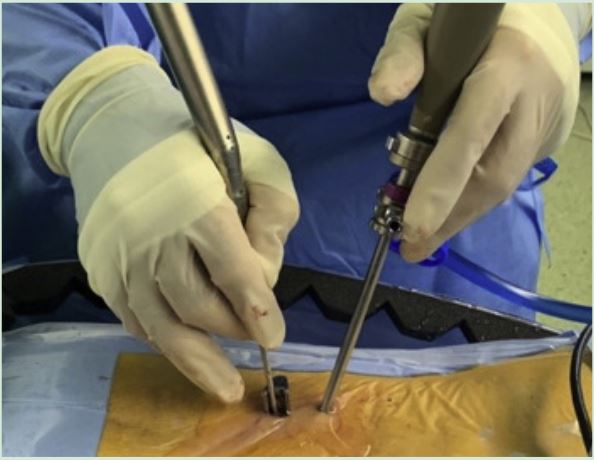
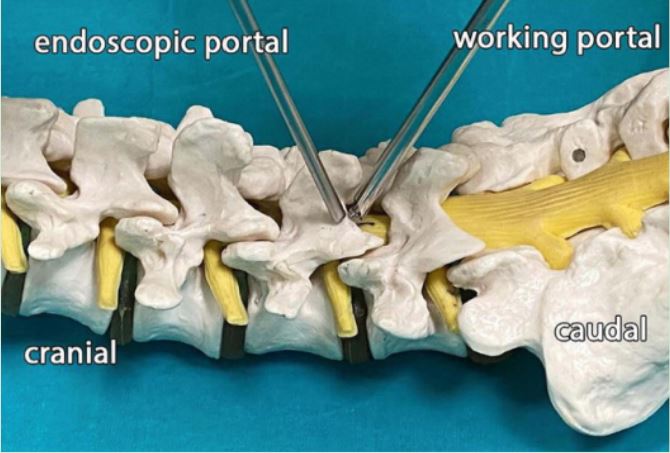
Richard Wolf, working together with pioneering spine surgeons, was the first company to develop a standardized approach to full-endoscopic ecompression of lumbar spinal canal stenosis.
For Spondylolisthesis (Slipped vertebrae), Recurrent disc prolapse, both foramen narrowing, etc.
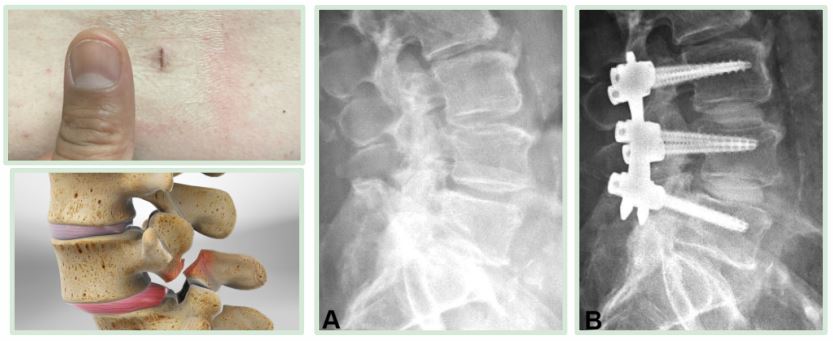
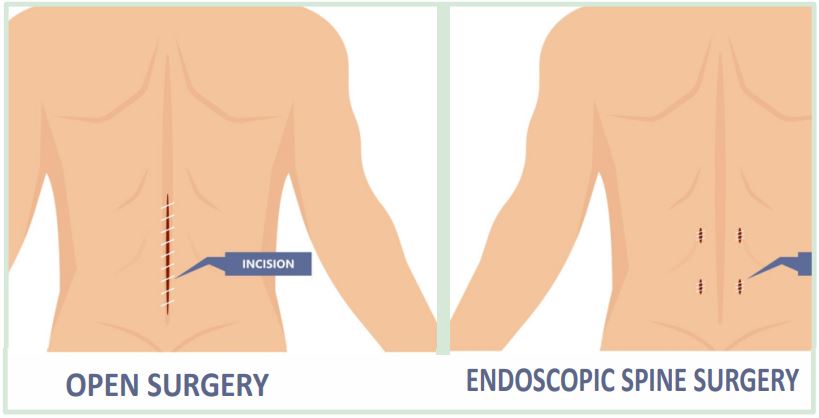
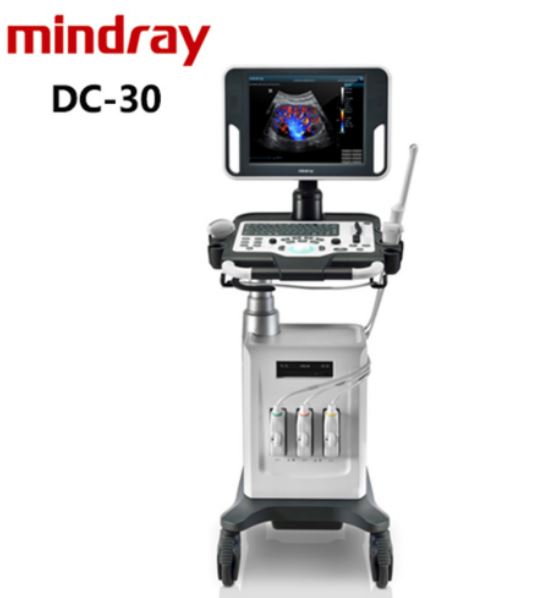
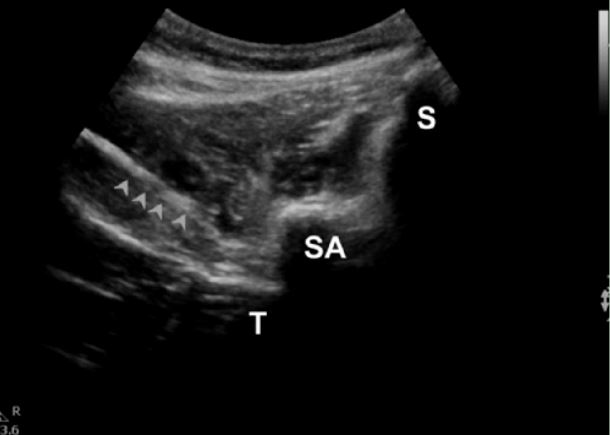
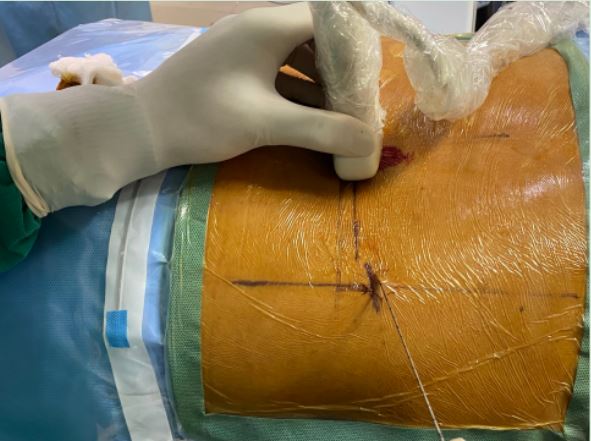
Ultra-sound guided surgery uses specialized Video Cameras and instruments that are passed through small incisions (less than 5mm) in the back.
Welcome to our Spine Surgery section, where we explore the dynamic realm of Endoscopic Spine Surgery. Over the years, endoscopic imaging has become increasingly pivotal in spine surgery, thanks to its high-resolution capabilities during surgery. This technology allows for the creation of smaller access ports to the surgical site, facilitating minimally invasive procedures.
While initially primarily utilized for ventral endoscopic approaches in thoracic surgeries targeting fractures and tumors, endoscopy has now expanded its reach to include dorsal and lateral approaches for degenerative diseases. This evolution underscores the versatility and effectiveness of endoscopic techniques in addressing a variety of spinal conditions.
Furthermore, as the use of endoscopes varies across different procedures, there has been a need for further refinement and differentiation. Techniques that involve placing the endoscope within the operative tube are categorized as endoscopically assisted procedures, such as Micro-Endoscopic Discectomy (MED), highlighting the nuanced approaches within endoscopic spine surgery.
At our clinic, Dr. Ishant Gunadala specializes in employing these advanced endoscopic techniques to offer patients tailored and minimally invasive solutions for their spinal health concerns. Experience the precision and innovation of endoscopic spine surgery with our comprehensive range of services.
Exploring new frontiers in spinal access, full-endoscopic procedures signify a groundbreaking leap in minimizing access trauma for patients, surpassing conventional microsurgery approaches. Leveraging the capabilities of full-endoscopic imaging tools—comprising specialized scopes and 4K cameras with 15-degree and 30-degree angles—alongside specialized surgical techniques, these procedures offer a notable reduction in patient discomfort during access compared to traditional methods.
Operational within access ports smaller than 8 mm, all instruments are skillfully maneuvered under direct endoscopic guidance, ensuring meticulous control and enhancing safety and efficacy. Continuous irrigation through the endoscope maintains crystal-clear visibility by promptly clearing blood and tissue from the lens, enabling seamless instrument manipulation and procedural oversight.
Distinguished by their stringent criteria, full-endoscopic techniques set themselves apart from other endoscopic approaches. Recent innovations in instrumentation and technique have broadened the scope of full-endoscopic procedures, extending their application to a diverse range of indications. Validated and refined through rigorous randomized studies, these surgical techniques have undergone extensive validation.
Having showcased their efficacy through tens of thousands of successful lumbar interventions, full-endoscopic procedures now extend their benefits to specific indications in the thoracic and cervical spine, marking a transformative era in spinal endoscopy.
coming soon...
coming soon...